
Too Much of a Good Thing: The Unintended Consequences of Over-Supplementing the Equine Gut

In the modern equine industry, "gut health" has become a multi-million-dollar buzzword. Driven by a desire to protect horses from ulcers, colic, and metabolic disorders, many horse owners have turned to daily digestive supplements. Probiotics (live beneficial microorganisms) and prebiotics (non-digestible fibers that feed those microbes) are frequently viewed as harmless, "the more, the better" insurance policies.
However, the equine digestive tract is a highly specialized, self-regulating ecosystem. Flooding a horse's system with continuous, high-dose biotics can disrupt the delicate balance of the microbiome, ironically triggering the very digestive distress owners are trying to prevent.
The Delicate Architecture of the Equine Microbiome
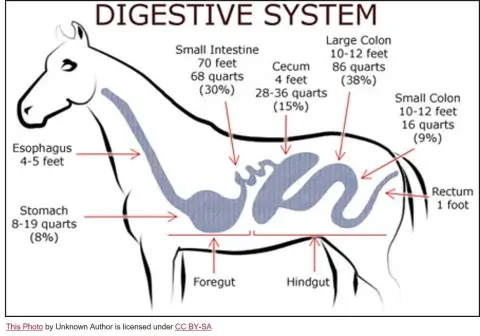
To understand the impact of over-supplementation, one must first look at the unique anatomy of the horse. Horses are hindgut fermenters. While the foregut (stomach and small intestine) handles simple proteins, fats, and soluble carbohydrates, the massive hindgut—consisting of the cecum and large colon—is a fermentation vat.
This complex hindgut houses trillions of bacteria, protozoa, and fungi working in symbiosis. These microbes break down complex structural carbohydrates (fiber from forage) into volatile fatty acids (VFAs), which provide up to 70% of the horse's daily energy.
The stability of this ecosystem relies on a precise pH balance, typically hovering between 6.5 and 7.0. The native microbial population are highly sensitive to their environment. When we introduce massive quantities of external bacterial strains (probiotics) or a sudden influx of fermentable sugars (prebiotics) in horses that don't require additional supplementation, we risk shifting the local environment, altering the pH, and causing a cascade of metabolic consequences.
The Invisible Risks of Overusing Probiotics and Prebiotics
1. Microbial Homogenization and Competitive Displacement
When commercial probiotics are fed continuously without a clinical reason (such as post-antibiotic therapy or acute diarrhea), they can overcrowd the native flora. Many commercial equine probiotics rely heavily on lactic acid-producing bacteria, such as Lactobacillus or Enterococcus strains. While these are beneficial in small, targeted doses, an overabundance can shift the hindgut's pH toward acidity, which is the opposite of what the horse owner was trying to achieve!
This drop in pH creates a hostile environment for the crucial cellulolytic (fiber-digesting) bacteria. As fiber-digesting microbes die off, they release endotoxins into the bloodstream, a well-documented trigger for laminitis and systemic inflammation. There are other concerns with altered microbiome stability as well, such as potential for gut dysbiosis and leaky gut syndrome.
2. Prebiotic Overload and Rapid Fermentation
Prebiotics, such as fructooligosaccharides (FOS) and mannanoligosaccharides (MOS), are intended to feed beneficial bacteria. However, when oversupplied, they can cause rapid, excessive fermentation in the hindgut. This accelerated fermentation produces an overabundance of gas and lactic acid, leading to:
Subclinical hindgut acidosis
Gas colic
Loose stools or chronic free fecal water syndrome (where the horse passes solid manure followed by a stream of liquid)
All of this leads to lowered immunity, inflammation in the body, and potential for disease!
Hidden Culprits: Sucrose, Dextrose, and Unfriendly Additives
Many horse owners are careful about the sugar content in their horse's grain but overlook the ingredients list on their supplement tubs. A significant portion of commercial probiotic powders and pastes utilize cheap fillers and flavor enhancers that actively work against equine digestive health.
The Problem with Sucrose and Dextrose
Sucrose (table sugar) and dextrose (glucose) are frequently used as base carriers or sweeteners in probiotic supplements to make them palatable. For a healthy horse, a tiny amount might be negligible, but for horses managing Equine Metabolic Syndrome (EMS), Pituitary Pars Intermediate Dysfunction (PPID/Cushings), or Polysaccharide Storage Myopathy (PSSM), these simple sugars present a genuine threat.
Furthermore, if these simple sugars bypass small intestinal absorption due to rapid transit time or a compromised foregut, they dump directly into the hindgut. Soluble sugars in the hindgut are rapidly fermented by opportunistic bacteria like Streptococcus, causing a rapid spike in lactic acid, destroying the pH balance, and elevating the risk of laminitic episodes.
Other Detrimental Additives to Avoid
When reviewing supplement labels, owners should look out for several other common additives that fail to support, or actively harm, the gut:
Artificial Flavors and Dyes: Added solely for human appeal or extreme palatability, these synthetic chemicals introduce unnecessary chemical loads to a sensitive digestive tract.
Low-Quality Mineral Oil or Petroleum Bases: Often found in oral probiotic pastes to maintain shelf life and texture, these can coat the intestinal lining and temporarily inhibit natural nutrient absorption.
Excessive Soy or Grain By-product Fillers: Cheap fillers used to bulk up a supplement powder can act as hidden sources of starch or allergens for sensitive horses.
Parabens and "unnatural" compounds.
How Horse Owners Can Avoid "Biotic" Overload
Managing a horse’s gut health effectively requires moving away from continuous supplementation and focusing on a forage-first strategy.
                       [ Forage-First Strategy ]
                                   │
         ┌─────────────────────────┴─────────────────────────┐
         ▼                                                   ▼
[ Consistent Forage Access ]                          [ Targeted ] Supplementation ]
• Keeps hindgut full/buffered                       • Use only during stress/illness
• Maintains stable pH (6.5-7.0)                     • Choose sugar-free, clean labels
1. Prioritize Consistent Forage
The absolute best prebiotic for a horse is clean, long-stem fiber. Keeping a horse's digestive tract moving with constant access to hay or pasture keeps the hindgut buffered, populated with native microbes, and physically stable. No commercial prebiotic can replicate the balancing effect of high-quality forage.
2. Shift to Targeted, Short-Term Use
Probiotics should be treated more like temporary therapeutic tools than daily feed fixtures. Rather than keeping a horse on a daily probiotic indefinitely consider testing and reviewing results with a professional, or target their usage to periods of specific stress:
During and for two weeks following an antibiotic course.
Ahead of long-distance trailering or intense competition.
During sudden deworming protocols or abrupt feed changes.
During times of frequent stress from illness.
Once the stressful event or illness has passed and the horse's manure is stable, slowly taper the horse off the supplement to let their native microbiome regain natural equilibrium.
3. Read Labels Scientifically
Before buying a digestive supplement, carefully audit the ingredient list. Avoid products where sucrose, dextrose, or maltodextrin are listed. Seek out clean formulations that use inert, non-glycemic carriers like flaxseed meal, and ensure the manufacturer guarantees live Colony Forming Units (CFUs) at the expiration date rather than just at the time of manufacture.
Conclusion
When it comes to the equine microbiome, intervention should always be purposeful rather than habitual. By focusing on high-quality forage, vetting supplement labels for hidden sugars, and deploying probiotics only when clinically necessary, owners can protect their horses from the modern pitfalls of over-supplementation and maintain a genuinely resilient digestive system. Often when it comes to our horse's digestive health simple is better, and less is more.


Comments